UK Gardeners' Guide to Exotic and Tropical Plants
UK Gardeners' Guide to Exotic and Tropical Plants
Dreaming of a lush garden brimming with vibrant foliage and dazzling flowers not typically seen in the UK's landscape? You're not alone. Across the United Kingdom, more and more garden enthusiasts are embracing the allure of tropical and exotic plants. With the right knowledge and care, even British gardens can be transformed into subtropical paradises. This comprehensive guide introduces you to growing exotic and tropical plants in the UK, offering proven advice, plant selections, and creative tips for a garden that stands out as both bold and beautiful.

Why Choose Exotic & Tropical Plants for UK Gardens?
- Unique Aesthetics: Exotic and tropical varieties offer unparalleled foliage and colour, providing an eye-catching look in any garden.
- Expanding Plant Palette: Introducing these plants enables gardeners to experiment beyond typical British flora.
- Thriving in Microclimates: With careful placement, many tropical plants flourish in sheltered spots, especially in southern regions.
Did you know? Many tropical plant species are surprisingly hardy and can withstand the UK's milder coastal and urban microclimates with only minimal winter protection.
Understanding the UK's Climate Challenges
Before planting tropical and exotic plants, it's essential to recognize the typical climate challenges UK gardeners face:
- Cooler Temperatures: Most UK regions experience cool summers and frosty winters that challenge exotic species.
- Variable Rainfall: While some tropical plants love humidity, others need well-drained soil to prevent root rot in rainy weather.
- Wind Exposure: Many exotic plants have large, delicate leaves that can be damaged by strong winds.
Understanding your garden's microclimate--taking into account sun exposure, wind, and shelter--will help you select and position your tropical beauties for success.
Best Exotic and Tropical Plants for UK Gardens
Hardy 'Tropical' Plants for Beginners
- Trachycarpus fortunei (Windmill Palm): One of the hardiest palms, perfect for starting your tropical British garden. It withstands temperatures as low as -15?C.
- Fatsia japonica (Japanese Aralia): Wonderfully lush, shade-tolerant, and evergreen with dramatic hand-like leaves.
- Phormium (New Zealand Flax): Provides sword-like foliage in bold colours; ideal for architectural garden statements.
- Cordyline australis (Cabbage Palm): Known for its palm-like appearance and ability to survive mild British winters.
- Banana Plants (Musa basjoo): Hardy banana plant, celebrated for its bold leaves--returns each spring after dying back in most UK climates.
Show-Stopping Subtropical Florals
- Hedychium (Ginger Lily): Offers exotic flowers with dazzling scents--overwinters outdoors in warm, sheltered spots.
- Canna Lilies: With stunning, broad leaves and flamboyant spikes of flowers, cannas create a holiday vibe in borders and pots.
- Eucomis (Pineapple Lily): Unique spiky flowers and rosettes of green foliage could fool anyone into thinking they've stepped into the tropics.
- Zantedeschia (Calla Lily): Elegant, architectural flowers that bring a touch of the Mediterranean or Africa to your garden beds.
Eye-Catching Exotic Foliage
- Colocasia (Elephant Ears): Giant, heart-shaped leaves for drama around ponds or in large containers. Needs a warm spot and protection in winter.
- Alocasia: Like Colocasia but more varied in leaf texture and colour--great for bold contrasts.
- Melianthus major (Honey Bush): Striking blue-green serrated leaves, thrives in sheltered, sunny sites and offers honey-scented flowers.
Designing a Tropical-Style Garden in the UK
Layering and Structure
Successful tropical garden designs are all about bold contrasts and lush, layered planting. Follow these principles:
- Canopy Layer: Use hardy palms and tall bananas for height.
- Sub-Canopy: Medium-sized shrubs like Fatsia, Melianthus, or Cordyline for mid-level interest.
- Ground Cover: Ferns and hostas mimic the dense undergrowth of rainforests.
- Pops of Colour: Use vivid blooms from cannas, gingers, and dahlias for tropical brilliancy.
Water Features and Hardscaping
- Ponds and Streams: These add authentic humidity and suit lush foliage.
- Bamboo Screens or Palisades: They offer shelter and evoke a far-flung jungle vibe.
- Bold Pots and Planters: Clay or brightly painted ceramic containers enliven patios and terraces with exotic style.
How to Care for Exotic and Tropical Plants in the UK
Protection from Frost and Cold
The number one challenge in the UK is winter. Many exotic garden plants need simple winter protection:
- Mulch with straw, bark, or fleece around roots to insulate from frost.
- Wrap tender stems or trunk bases of bananas and palms with horticultural fleece.
- Move pots into greenhouses, conservatories, or even a bright indoor window during extreme cold spells.
Soil and Watering Tips
- Most exotic plants thrive in well-drained, fertile soil enriched with compost.
- For bog plants (like Colocasia), keep soil consistently moist, but never waterlogged.
- Regular feeding: Use slow-release fertilisers or monthly liquid feeds during growing season to fuel leafy growth.
Sunlight and Shelter
- Full Sun Lovers: Cannas, Cordylines, Bananas, and Palms do best in south-facing, wind-sheltered spots.
- Shade Adapted: Fatsia, ferns, and some Alocasia can tolerate, even thrive, in partial shade.
Container Gardening with Tropical Plants
No garden? No problem! Many UK exotic plant enthusiasts dazzle their patios, balconies, and courtyards using pots:
- Choose large containers for substantial plants like palms, bananas, and cannas.
- Pots let you reposition tender exotics to shelter over winter.
- Use premium potting mix with slow-release fertiliser and ensure drainage holes are clear.
Pest and Disease Challenges
- Slugs and snails: Particularly fond of tender, lush-leaved exotics like hostas and colocasia. Use wildlife-friendly pellets or barriers.
- Red spider mites and aphids: Common in greenhouse or indoor overwintering--mist plants frequently and introduce beneficial insects if possible.
- Root rot: Avoid overwatering and ensure ample drainage during cooler, wetter months.
Tropical-Looking Hardy Alternatives
Looking for the effect of a tropical plant garden with even less maintenance? These "hardy but exotic" choices offer a visual feast with fewer worries:
- Rhododendron 'Graziella': Evergreen, large-leafed, and subtly exotic.
- Mahonia: Spiky evergreen foliage reminiscent of holly, but much more architectural.
- Paulownia tomentosa (Foxglove tree): Produces enormous leaves and rapid growth for big impact.
- Bamboos: For instant height and movement--choose clumping, non-invasive types for easy maintenance.
Creative Combinations for Exotic UK Gardens
Pairing for Drama
- Combine red-leaved cannas with blue hostas for striking contrast.
- Layer hardy palms with lush underplantings of ferns for a rainforest effect.
- Border banana plants with bright lilies and trailing nasturtiums for cascading colour.
Edible Tropicals for UK Gardens
- Pineapple sage: Fragrant foliage and edible flowers that add zest to summer drinks.
- Chillies and peppers: Grow well in pots in sheltered, sunny UK gardens.
- Passion flowers (Passiflora): Hardy species can produce fascinating blooms and, in good years, edible fruits.
Overwintering Tips & Year-Round Interest
With careful planning, your British exotic garden can provide interest even in the colder months:
- Evergreen exotics like Fatsia and Trachycarpus keep their leaves year-round.
- Leave some seed heads on cannas or cardoons for dramatic winter silhouettes.
- Use colourful pots and garden art to add excitement when most plants are dormant.
Best Exotic Plant Nurseries in the UK
Ready to start your UK tropical plant adventure? Many specialist nurseries now supply robust, garden-worthy exotics. Some of the UK's best suppliers include:
- Hardy Tropicals - Offers a vast range of bananas, palms, and rare sub-tropical species.
- Jungle Plants - Specialises in unusual exotics for mail order.
- Urban Jungle - Inspiring plantscapes and a wide selection for UK microclimates.
- The Palm Centre - Experts in palms, bamboo, and other architectural plants.
Frequently Asked Questions About UK Exotic Gardens
Can I really grow tropical plants outdoors in the UK?
Yes! Many so-called tropical and exotic plants are either hardier than expected or respond well to a little winter protection. Building up layers in sheltered, sunny spots helps them thrive.
Do I need a greenhouse?
Only for the most frost-tender tropical species. Many popular "hardy exotics" can live outside in much of the UK with simple precautions, though greenhouses or conservatories do expand your options.
Are exotic plants high maintenance?
Not all tropical garden plants are fussy. Hardy varieties are surprisingly robust if you understand their basic needs--good drainage, some feeding, and shelter from wind and harsh frost.
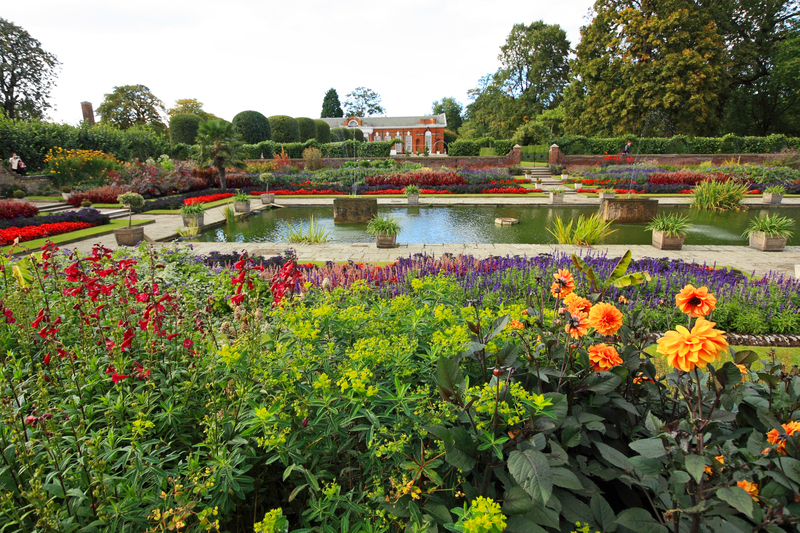
Inspiration: Exotic UK Gardens To Visit
- Abbotsbury Subtropical Gardens (Dorset) - Coastal microclimate filled with palms, ferns, and rare exotics.
- Tresco Abbey Gardens (Isles of Scilly) - Mediterranean and tropical collections thrive in this unique location.
- Logan Botanic Garden (Dumfries & Galloway, Scotland) - Surprisingly lush, with palms and South African bulbs.
Conclusion: Cultivating Your Exotic Dream in a UK Garden
With the right plant choices, a bit of planning, and clever use of microclimates, UK gardeners can enjoy the lush textures, bold architecture, and vibrant colour that define tropical and exotic gardens. Whether you want a dramatic border, an inviting patio, or a vibrant urban oasis, the possibilities are endless. Don't let the latitude hold you back--get creative and let your garden transport you and your guests to far-flung, paradisiacal places, right here in the UK!
Ready to explore the world of tropical garden plants? Start small, experiment boldly, and savour the unique pleasures of growing the unusual in your own backyard. Your UK exotic garden adventure awaits!