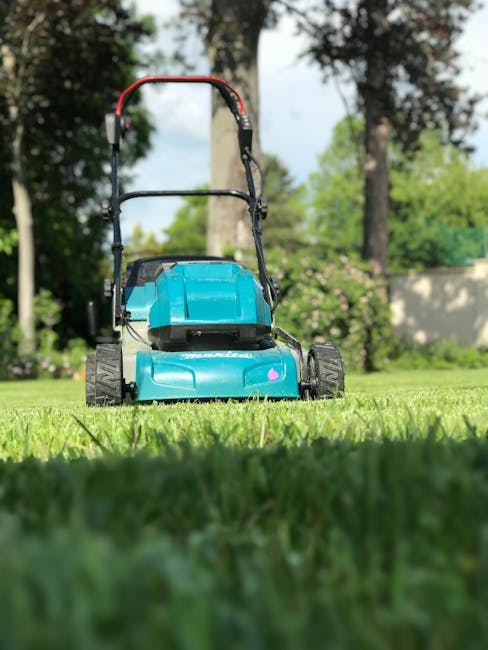
Acton Central Lawn Care and Gardeners by the Station: A Practical Local Guide
If you live, work, or commute around Acton Central, you already know how quickly a garden can slip from "neat enough" to slightly wild. One rainy week, a bit of shade, and a busy schedule are often all it takes. That is where Acton Central lawn care and gardeners by the station becomes genuinely useful: reliable help for keeping front gardens, small lawns, shared spaces, and back gardens tidy without turning it into a weekend battle.
Whether you need regular mowing, hedge cutting, seasonal tidy-ups, or a full reset after a long neglected stretch, the right local garden support should feel calm, efficient, and easy to arrange. This guide explains what the service typically covers, how to choose the right approach, what good work looks like, and the common mistakes worth avoiding. It also covers practical next steps if you want a healthier lawn and a garden that looks looked-after rather than simply chopped back.
Quick takeaway: good lawn care near Acton Central is not just about cutting grass. It is about timing, consistency, lawn health, tidy edges, weed control, and keeping the whole outdoor space manageable through the year.
Why Acton Central lawn care and gardeners by the station Matters
Acton Central is one of those areas where outdoor space tends to work hard. Gardens are often compact, visible from the street, and shared between practical family life and everyday commuting. A lawn that is patchy, too long, or edged badly can make the whole property feel less cared for, even if the rest of the home is in excellent shape. On the other hand, a simple, well-kept garden gives an immediate lift. You see it the moment you step outside. So does everyone else.
There is also a local reality to consider: station-adjacent areas can be busier, dustier, and more exposed to foot traffic, pollution, and compacted soil than a quiet suburban cul-de-sac. That means lawns may need a slightly more attentive routine than the average "cut it when you remember" approach. To be fair, most lawns do not fail because of one big mistake. They decline because of lots of tiny neglected ones.
Another reason this matters is convenience. People near the station often have fragmented schedules. If you are commuting, working long hours, or juggling family routines, gardening can become a task that stays on the list for weeks. A dependable local gardener takes that pressure off. And if the garden has become a bit of a jungle, there is no shame in that. Happens to the best of us.
For homeowners, landlords, tenants, and small businesses nearby, regular garden care can also support presentation, safety, and long-term value. A tidy lawn and clean borders make it easier to spot problems early, whether that is moss, a drainage issue, overgrown shrubs, or a hedge that is starting to lean into a path.
How Acton Central lawn care and gardeners by the station Works
In practical terms, local lawn care usually starts with a short assessment of the space. That can be a quick visit, a photo-based quote, or a call to understand what you need. A good provider will ask about lawn size, access, current condition, frequency, and whether the job is routine maintenance or a one-off clean-up. If you are comparing options, the broader services overview is a helpful place to see how different garden tasks fit together.
For lawns, the core job is usually straightforward: mow, trim edges, remove or collect clippings if requested, and check for obvious issues such as scalping, uneven growth, or damp patches. But proper gardening near Acton Central often goes wider than mowing. You may also need hedge trimming, weeding, seasonal pruning, bed tidying, leaf clearance, or a more comprehensive maintenance visit. In many gardens, these services work best together rather than separately.
There is also a difference between a one-off tidy and a maintenance plan. A one-off job is ideal if the garden has got away from you, if you are preparing for guests, or if a property is about to be rented or sold. Regular maintenance is better when you want the lawn and planting areas to stay in shape with less effort. If you know the garden tends to fill up with fallen leaves, weeds, and the odd surprise patch of growth, recurring visits can save time and stress.
Sometimes the lawn itself is not the only issue. A service visit may reveal a need for garden clearance, especially if there is accumulated waste, broken pots, dead growth, or old material crowding the space. Other times, the real answer is structural: a smarter layout, better borders, or some light landscaping may make the whole garden easier to maintain. That is where landscape gardening or broader landscaping work can pay off.
Key Benefits and Practical Advantages
The obvious benefit is a better-looking garden. But the real value goes further than appearance.
- Healthier grass: regular mowing at the right height supports even growth and helps avoid the stressed, scruffy look that appears after long gaps.
- Better edges and structure: neat borders and clean lines make even small gardens feel intentional.
- Less weekend labour: you reclaim time, which frankly is the bit most people want most.
- Early problem spotting: moss, bare patches, compaction, and drainage issues are easier to catch early.
- Safer access: a trimmed garden is easier to walk through and less likely to feel cluttered or awkward.
- Property presentation: useful for homes on busy streets, rental homes, and anyone trying to keep a polished first impression.
There is also a less visible benefit: rhythm. Gardens do better when they are cared for at a regular pace. The grass is not being shocked by long growth and harsh cuts. Shrubs are not left to tangle. The whole space becomes easier to manage because it never gets too far ahead of you. That sounds simple, but it makes a big difference over a season.
If the garden includes hedges, regular attention may be especially useful. A service like hedge trimming can stop boundary growth becoming a nuisance, improve light levels, and keep paths, drives, and sightlines clear. For some homes near the station, that matters more than people expect.
Who This Is For and When It Makes Sense
This type of service suits a fairly wide group of people. If you are wondering whether it is for you, the answer is probably yes if any of the following sound familiar:
- You have a lawn that grows faster than you can keep up with.
- You only have time for basic upkeep, not full garden care.
- You want the garden to look tidy for family, guests, or tenants.
- You have just moved in and the outside space needs a reset.
- You are managing a rental property and need reliable upkeep.
- You have mobility issues, limited tools, or simply no appetite for heavy garden work.
- You want your garden to feel less like a chore and more like part of the home.
It also makes sense after specific moments: spring growth, summer heat stress, autumn leaf fall, or a stretch of wet weather that has let everything run on. Truth be told, most people do not call a gardener at the ideal moment. They call when the job becomes too big to ignore. That is normal. Better to deal with it now than keep staring at the same out-of-control patch from the kitchen window for another month.
And if the work has turned from "needs a mow" into "needs a proper clear-out," then a garden maintenance approach or even broader clearance support may be the better fit. Small decision, big difference.
Step-by-Step Guidance
Here is a sensible way to approach lawn care and garden help near Acton Central without overcomplicating it.
- Look at the space honestly. Ask yourself what actually needs doing: mowing, hedge cutting, clearance, weeding, pruning, or a full tidy-up.
- Separate urgent work from ongoing work. A dangerous branch, blocked access, or very overgrown lawn may need attention first.
- Decide whether you want one-off or regular visits. One-off jobs suit seasonal resets; regular care suits gardens that quickly get out of hand.
- Check access and waste handling. Think about side gates, narrow paths, storage space, and whether clippings or cuttings need removing.
- Choose the right service mix. Sometimes mowing is enough. Sometimes it is only one piece of a larger maintenance job.
- Agree the expected finish. Be clear about edges, collecting waste, trimming around obstacles, and what will or will not be included.
- Keep a simple schedule. The garden usually improves when jobs happen before things become dramatic.
A small tip that helps: take photos before the first visit and again a few weeks later. Not for social media. Just for your own sense of progress. Gardens change gradually, and it is easy to forget how much better they look after a proper reset.
If you are also planning to improve the usable feel of the garden, you may want to explore decking services as part of a longer-term layout change. Not every garden needs decking, obviously. But in the right space it can make maintenance easier and outdoor living more enjoyable.
Expert Tips for Better Results
Good garden care is often about restraint, timing, and consistency. A few practical tips go a long way.
- Mow little and often in active growth. Long, infrequent cuts stress grass and leave it looking uneven.
- Do not cut too short. Very low mowing can expose the soil, weaken the lawn, and encourage weeds. That short-term "clean" look can backfire.
- Edge work matters. A neat edge can make an average lawn look much better. It is one of those small things people notice without realising they noticed.
- Remove debris before mowing. Twigs, stones, toys, and stray objects can damage equipment and leave rough patches.
- Think seasonally. Autumn leaf fall, winter damp, spring growth spurts, and summer dry spells all need different handling.
- Feed the lawn only when it needs it. More is not always better. A lawn that is overfed can grow fast but weak.
One thing experienced gardeners do differently is look at the garden as a system, not just a surface. If the lawn always struggles in one corner, there may be shade, drainage, compaction, or root competition nearby. If a hedge keeps filling the border with debris, the trimming schedule may need adjusting. Small observations like that save time later.
If tree cover is affecting the lawn, it may be worth considering tree lopping and removal where appropriate. That is not a casual step, and it should be handled carefully, but sometimes light and root space are the real issue.
Common Mistakes to Avoid
Most garden problems are fixable. The trick is not making them worse while trying to help. A few mistakes show up again and again.
- Leaving mowing too long: then cutting aggressively and shocking the lawn.
- Ignoring the edges: the lawn may be cut, but the garden still looks unfinished.
- Mixing clearance with maintenance: if the garden is heavily overgrown, a standard mow may not be enough.
- Overlooking waste removal: green waste left in piles can spoil the look of the job and slow regrowth.
- Choosing on price alone: cheap work can become expensive if it has to be redone.
- Not checking what is included: some people assume pruning, edging, and waste collection are part of a basic mow when they are not.
And there is one more, very common: assuming a neglected garden needs a dramatic all-at-once fix. Sometimes it does. Often it just needs a staged approach. A steady, sensible plan usually gives a better result than a "let's get everything done in one go" rush. Gardens have a way of recovering better when they are not bullied. A bit like the rest of us.
Tools, Resources and Recommendations
If you are keeping on top of a garden yourself between professional visits, a few basic tools are enough for most homes:
- a reliable mower suited to the size of the lawn;
- an edging tool or strimmer for borders;
- gloves for weeding and debris clearing;
- a rake for leaves, thatch, and loose cuttings;
- secateurs for light pruning;
- a bag or bin system for green waste;
- a hose or watering can for dry spells.
For residents who want a broader plan, it can help to map the garden into zones: lawn, borders, hedge line, tree area, and hard surfaces. That makes it easier to spot which part needs attention first. It also helps when talking to a gardener, because you can explain the job clearly without rambling through the whole list from memory.
If your garden needs a deeper tidy before normal care can begin, garden clearance may be the sensible starting point. Once the clutter is gone, regular maintenance becomes much more effective. If you are building a new look from scratch or reshaping the space, the more visual side of landscape gardening may be useful too.
Law, Compliance, Standards, or Best Practice
For ordinary domestic garden work, there usually is not a lot of heavy compliance paperwork involved, but good practice still matters. Responsible gardeners should work safely, use equipment properly, and treat waste carefully. For anyone carrying out work that involves trees, ladders, power tools, or potentially hazardous access, safe working methods are especially important.
In the UK, customers also tend to expect basic professional standards: clear communication, fair pricing, appropriate insurance, respect for property, and careful handling of waste. That is not fancy, just sound business. If a job involves cutting back near boundaries, shared access, or areas visible from public paths, a cautious and tidy approach matters even more.
It is sensible to ask whether a provider has clear insurance and safety practices in place, and whether they have a published health and safety policy. You may never need those details, which is the best outcome really, but it is reassuring to know they exist.
Waste handling is another good-practice area. Green waste should be removed, recycled, or disposed of responsibly where agreed. If sustainability matters to you, look for a provider that takes recycling and sustainability seriously rather than treating it as a slogan. That can include composting suitable material, separating waste sensibly, and avoiding unnecessary landfill use.
Options, Methods, or Comparison Table
Choosing the right garden support depends on the condition of the space and how much involvement you want. Here is a simple comparison.
| Option | Best for | Typical focus | What to watch |
|---|---|---|---|
| Basic lawn mowing | Healthy lawns that just need regular upkeep | Cutting grass, edging, tidy finish | Not enough for overgrown or neglected gardens |
| Routine garden maintenance | Homes that need consistent care | Mowing, weeding, trimming, general upkeep | May need a clear scope so expectations match |
| Garden clearance | Overgrown or cluttered spaces | Removal of waste, dead growth, and debris | Usually a reset, not a final finish |
| Landscaping or redesign | Gardens that are hard to use or maintain | Layout changes, surfaces, structure, planting | More planning, more upfront effort |
If your garden is only slightly out of shape, mowing and maintenance may be all you need. If the lawn has disappeared under weeds and stray growth, start with clearance. If the space is awkward every season and always feels difficult, a structural rethink may be the real answer.
Case Study or Real-World Example
A typical example near Acton Central might look like this. A small terraced garden has been left alone through a wet spring. The lawn is long and patchy, the hedge has started to lean outward, and the back corner has become a dumping spot for old pots and clippings. Nothing dramatic, but enough to make the whole space feel tired.
In that kind of situation, a good first visit usually focuses on reset work: mow the lawn carefully, trim the hedge back to sensible lines, clear debris, tidy the borders, and remove waste. Once the garden is readable again, regular care becomes easier. The second visit is usually much quicker, and the third starts to feel normal. That is often the point where people realise the garden was not beyond saving at all. It just needed a proper restart.
What tends to surprise people is how much the space opens up once the edges are defined and the clutter is gone. Suddenly you can see the shape of the garden. You can hear birds better, too, which is a nice little bonus on a quiet morning. Not every job needs a major transformation. Some just need competent hands and a bit of patience.
Practical Checklist
Use this quick checklist before booking or starting work:
- Know whether you need mowing, maintenance, clearance, or a mix.
- Check how easy it is to access the garden.
- Decide whether waste should be removed or left on site.
- Note any areas that are shaded, soggy, sloped, or hard to reach.
- Flag hedges, trees, or borders that need separate attention.
- Ask what a visit includes and what is extra.
- Think about whether you want a one-off tidy or regular visits.
- Make sure pets, gates, and outdoor items are accounted for.
- Take a quick before photo if the garden needs a reset.
- Keep a simple schedule so the work does not pile up again.
If you are comparing providers, it can also help to review practical details such as pricing and quotes and the wider about us information before deciding. A little clarity upfront saves awkwardness later. Always.
Conclusion
Acton Central lawn care and gardeners by the station are most valuable when they make life easier, not just when they make the garden look tidy for a day. The best service gives you a lawn that stays healthier, borders that stay controlled, and an outdoor space that feels like part of your home rather than a problem waiting for Saturday. That is the real win.
Whether you need a quick mow, regular garden maintenance, a full clearance, or help shaping a more manageable space, the smartest approach is usually the simplest: start with what the garden actually needs, keep the work regular, and choose practical support you can rely on. It does not have to be perfect. Just properly looked after. That is enough to change how the whole place feels.
If you are ready to take the next step, keep things straightforward and ask for a clear, practical plan that matches the size and condition of your garden.
Get a free quote today and see how much you can save.
And honestly, there is a quiet satisfaction in stepping outside and seeing a neat lawn on an ordinary weekday. Small thing, maybe. But it changes the mood.
Frequently Asked Questions
What does lawn care near Acton Central usually include?
It usually includes mowing, edging, light strimming, and a tidy finish. Depending on the garden, it may also involve weeding, leaf clearing, hedge trimming, and waste removal.
How often should a lawn be cut in a busy London area?
That depends on grass growth, weather, shade, and use. In active growing periods, regular cuts are usually better than occasional heavy mowing because they keep the lawn healthier and easier to manage.
Is a one-off garden tidy enough, or do I need regular maintenance?
If your garden is already in decent shape, a one-off tidy may be enough. If it keeps getting overgrown, regular maintenance is often the more practical and less stressful choice.
What is the difference between garden clearance and garden maintenance?
Garden clearance is usually a reset. It clears away overgrowth, waste, and debris. Garden maintenance is ongoing care that keeps the garden in shape after the reset.
Can a gardener help if my lawn is patchy or full of moss?
Yes, although a patchy or mossy lawn may need more than a simple mow. A gardener can identify the likely causes and advise on a sensible next step, such as improved maintenance, scarifying, feeding, or a longer-term plan.
Will mowing too short damage the grass?
It can. Cutting too short can stress the lawn, leave it thin, and make it more vulnerable to weeds and dry patches. A careful, moderate cut is usually better.
What should I ask before booking a gardener by Acton Central station?
Ask what is included, whether waste is removed, how access will be handled, whether the job is one-off or recurring, and whether any extra work such as hedges or clearance will be charged separately.
Do I need to prepare the garden before the visit?
It helps to clear away personal items, toys, loose tools, and anything fragile. That makes the work faster and reduces the chance of accidental damage. Not glamorous, but very useful.
Can garden work include hedges, trees, and hard-to-reach areas?
Yes, but those tasks may need separate attention and the right tools. Hedge trimming and tree work should be treated carefully, especially where access is tight or nearby surfaces need protecting.
What if I live in a flat or manage a shared outdoor space?
Then clear communication matters even more. Shared spaces often need agreed access, defined responsibilities, and a maintenance plan so the work does not create confusion between neighbours or property managers.
How do I know if the garden needs clearance before mowing?
If the grass is hidden by weeds, dead growth, cuttings, or general clutter, clearance usually comes first. Mowing an overgrown or blocked garden can be ineffective or even messy.
Are sustainability and waste handling worth asking about?
Yes. Responsible recycling, sensible waste handling, and tidy disposal practices are signs of a well-run service. It is one of those details that tells you a lot about the overall standard.
For more information about service options, care standards, and practical garden support, you can also review the services overview and the company's contact page when you are ready to move forward.