Gardener Acton: Recycling and Sustainable Rubbish Gardening Area
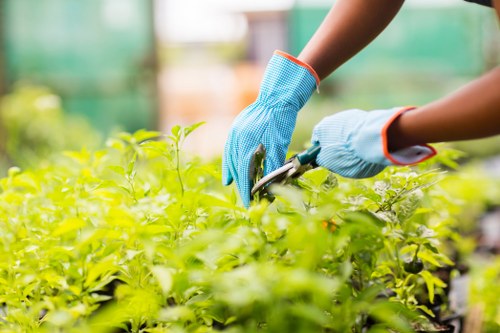
The Gardener Acton community is committed to creating an eco-friendly waste disposal area and a thriving sustainable rubbish gardening area. This page outlines our local approach to reducing waste, increasing recycling, and supporting reuse across the neighbourhood. Our objective is to build a resilient, low-carbon system for garden and household waste that supports biodiversity and reduces landfill dependency.
Our Recycling Targets and Borough Approach
We have set an ambitious recycling percentage target of 65% diversion from landfill by 2030. This target aligns with many borough-led waste separation schemes that separate glass, paper and cardboard, mixed plastics, food scraps, and garden organics at source. The borough approach supports kerbside collection of garden waste and food caddies alongside traditional recycling bins, encouraging residents and gardeners in Acton to sort materials effectively.
Local Transfer Stations and Drop-off Points
Local transfer stations play a central role in our low-impact waste network. Nearby facilities accept bulky garden items, green waste, and recyclable materials for onward processing. These transfer stations reduce haul distances, enable better material sorting, and feed material to composting sites and recycling centres. Our strategy emphasises:
- short transfer routes to cut transport emissions,
- on-site separation to improve recycling quality,
- direct routing of garden organics to local composting hubs.
Partnerships with Charities and Reuse Networks
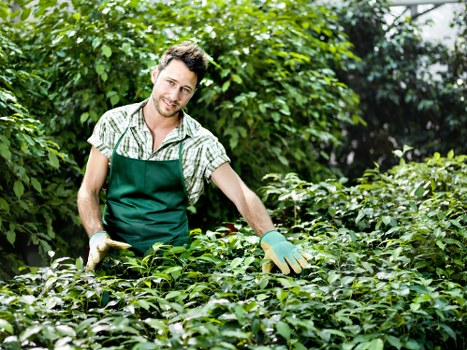
Gardener Acton works closely with local charities and reuse organisations to prevent usable gardening equipment and materials from becoming waste. Donations of pots, tools, and reclaimed timber are coordinated with community reuse hubs and charity schemes. These partnerships provide social value by supporting community growing projects, and they reduce resource consumption by keeping items in circulation rather than diverting them to disposal.
Low-Carbon Vans and Sustainable Collection
Our sustainable rubbish gardening area relies on a modern, low-emission logistics approach. We operate and partner with fleets using low-carbon vans, including electric and hybrid vehicles, to collect garden waste and recyclable materials. Benefits include:
- reduced local air pollution,
- lower greenhouse gas emissions from collection routes,
- quieter operation for early-morning collections in residential Acton streets.
Types of Recycling Activity in the Area
In line with the borough's waste separation policy, common recycling activities include glass and bottle banks, mixed dry recycling collections, dedicated garden-waste bins, food waste caddies for anaerobic digestion, and bulky-item reuse schemes. We also run community composting for green waste, leaf litter and prunings to produce nutrient-rich compost for local allotments and public planting projects. These activities support a circular approach to gardening waste and urban green space management.
Designing an Eco-Friendly Waste Disposal Area
Design considerations for an eco-friendly waste disposal area in Gardener Acton include safe segregation bays for different streams (glass, metals, organics), weatherproof storage for soil and compost, and clear signage that reflects the borough’s colour-coded collection system. We emphasise accessible drop-off points for residents and community gardeners, with areas for tool exchange and small-scale repair to keep items working longer.
Community Actions and Practical Steps
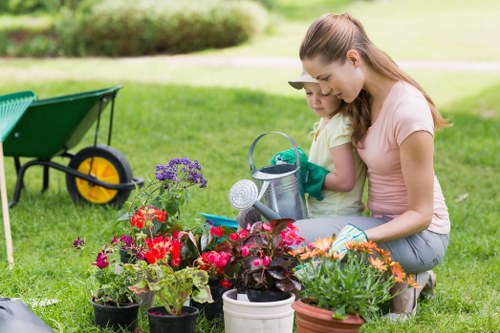
Residents, allotment holders, and local gardeners can contribute by:
Simple behaviour changes multiply across the neighbourhood when paired with effective infrastructure.
Commitment and Next Steps for Gardener Acton
Gardener in Acton remains committed to continuous improvement: increasing the recycling percentage target year-on-year, accelerating the switch to fully electric collection vans, and expanding partnerships with charities and reuse networks. We will monitor progress through local audits, community reporting, and collaboration with borough waste teams to ensure our sustainable rubbish gardening area is both practical and climate-aligned. Together we aim to make our area a model for eco-friendly waste disposal in urban gardening, keeping soil healthy, materials circulating, and emissions low.